
2016 PG-13
My rating 7/10

Some films entertain. Others haunt. And then there are films like Split. Movies that reach beyond the screen to tap into something raw and deeply personal. At first glance, it may appear to be just another psychological thriller, but beneath its suspenseful surface lies a layered exploration of childhood trauma, the complexities of adult mental illness, and the harsh lens through which society often views both.
Split doesn’t offer easy answers or simple characters. Instead, it invites you to sit in discomfort—to witness the fragmented inner world of someone who was broken long before the first scene. The narrative is tightly wound, cinematic in its intensity, but it’s the emotional undercurrent that lingers: the kind that quietly echoes in the hearts of viewers who carry their own scars.
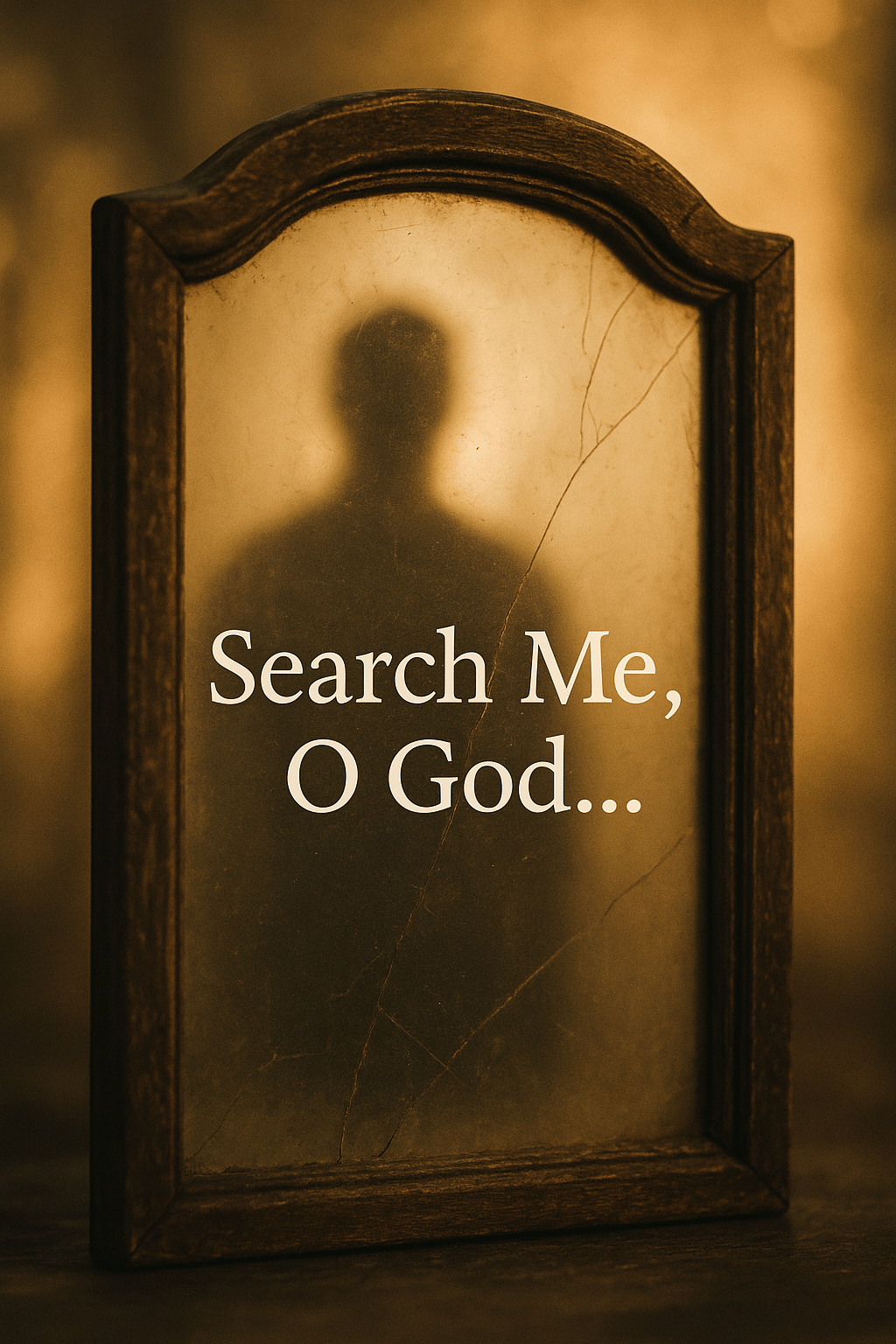
The film’s portrayal of dissociative identity disorder (DID) is intentionally stylized for dramatic effect, but within that fiction, there are moments of startling emotional truth. It suggests something that feels heartbreakingly real—that the mind will do extraordinary, even impossible things to survive childhood pain.
But Split doesn’t stop at trauma. It digs deeper, exploring the shame society attaches to mental illness. The fear. The misunderstanding. The way people are often reduced to labels rather than seen as layered, struggling, evolving human beings. There’s a tension between empathy and fear throughout the film, and it reflects how uncomfortable we still are, as a culture, with confronting mental health head-on.
What struck me most was how the film evokes sympathy in unexpected places. I found myself grieving—not just for the protagonist, but for everyone shaped by pain too early in life. There’s an aching loneliness that threads through the story, one that anyone who’s carried trauma into adulthood will recognize. And yet, there’s also a quiet resilience. A strange kind of strength in the broken places.
Split is not an easy watch—but that may be the point. It pushes past entertainment to become an experience, especially for those who have known the duality of being both victim and survivor. It raises more questions than it answers about the mind, trauma, and how we define identity. And while it doesn’t aim to educate or offer a clinical take, it does what good art should: it makes us feel, reflect, and look again—more closely, more compassionately—at those who carry invisible wounds.
Have you seen Split? Did it evoke strong emotions for you? I’d love to hear your thoughts—especially if the story brought anything personal to the surface. Sometimes sharing helps lift the weight.
Director: M. Night Shyamalan, James McAvoy, Betty Buckley, Anya Taylor-Joy



 Echoes In The Current
Leave a comment